
1
2
3
4
5
6
7
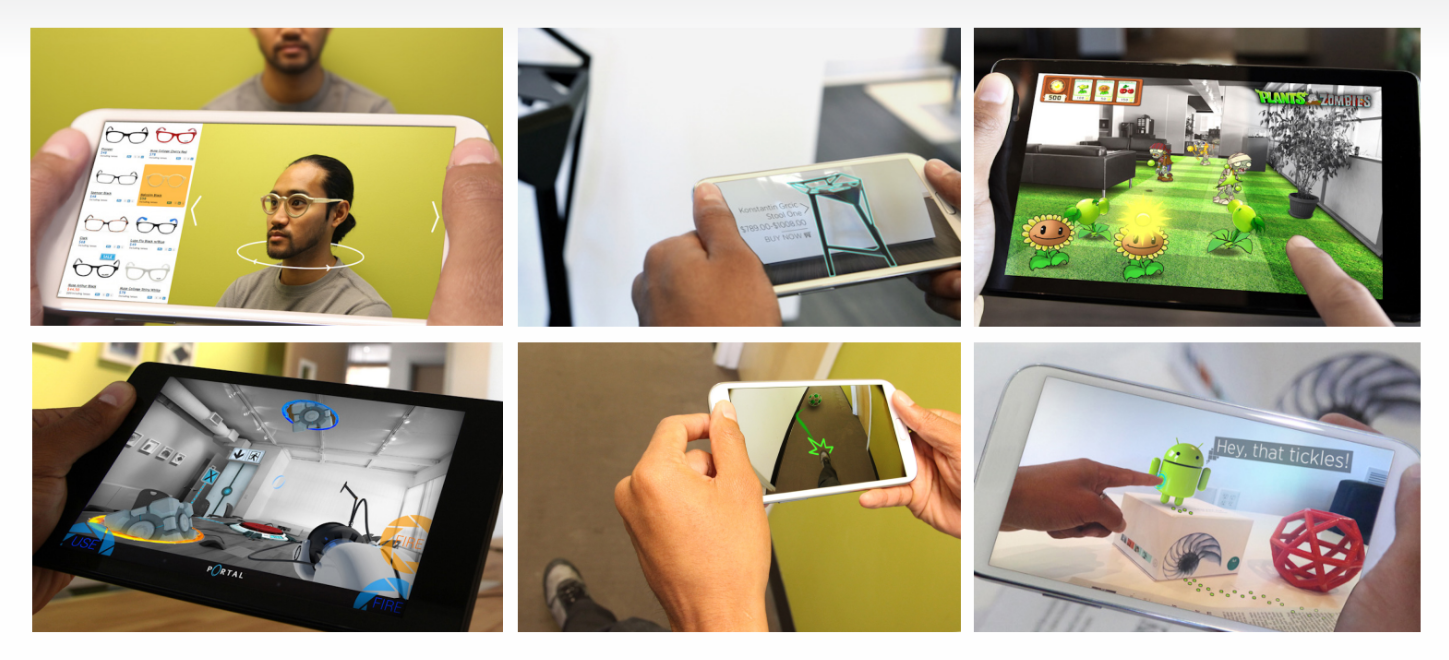
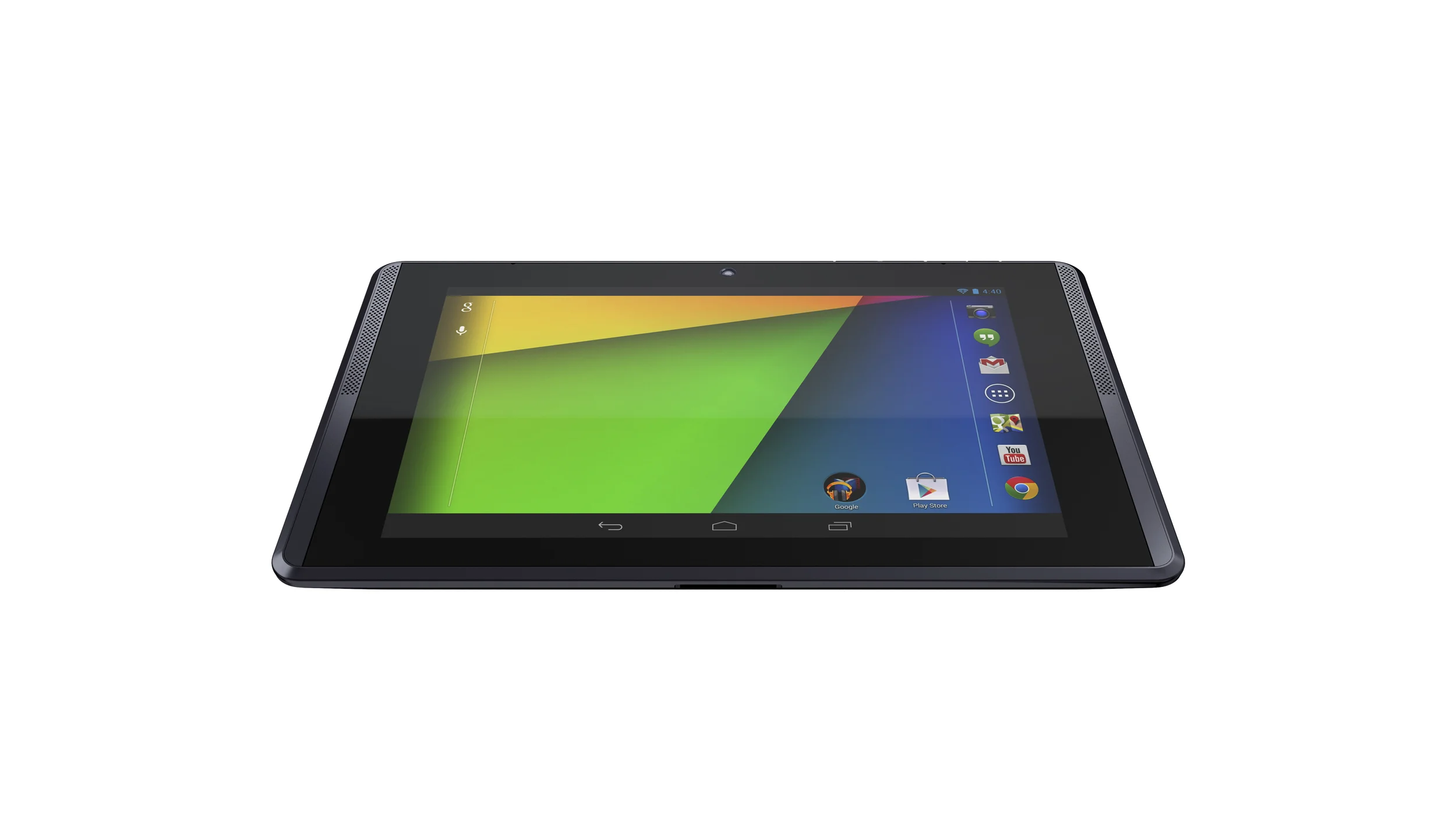
Project Tango was Google ATAP's pioneering attempt to give mobile devices a human-scale understanding of space and motion, extending the digital world beyond the boundaries of the screen and into the physical environment around it. Through a carefully orchestrated array of sensors, Tango could perceive depth, shape, and form much like human stereo vision, building a real-time three-dimensional map of the world as the user moved through it.
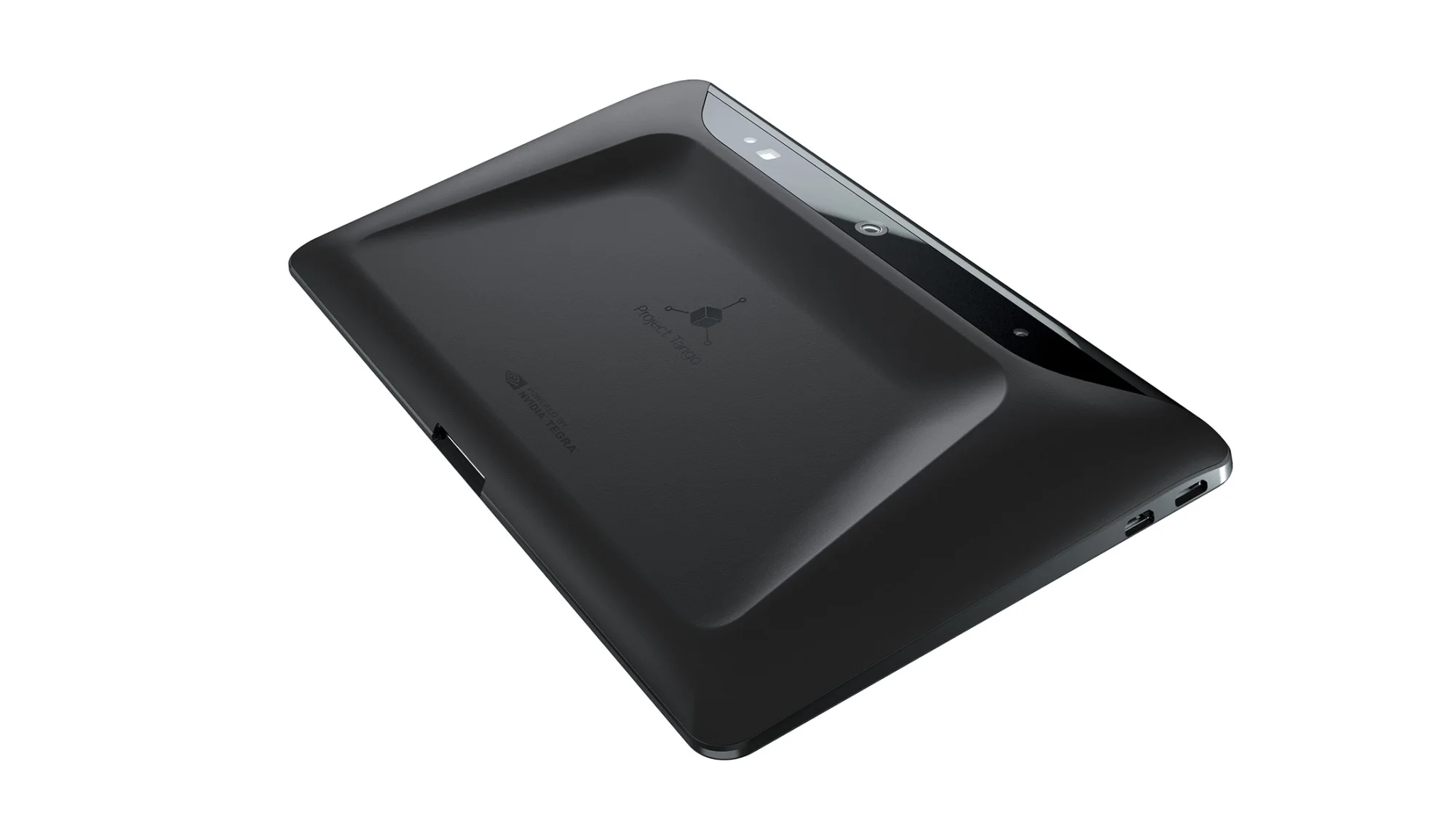
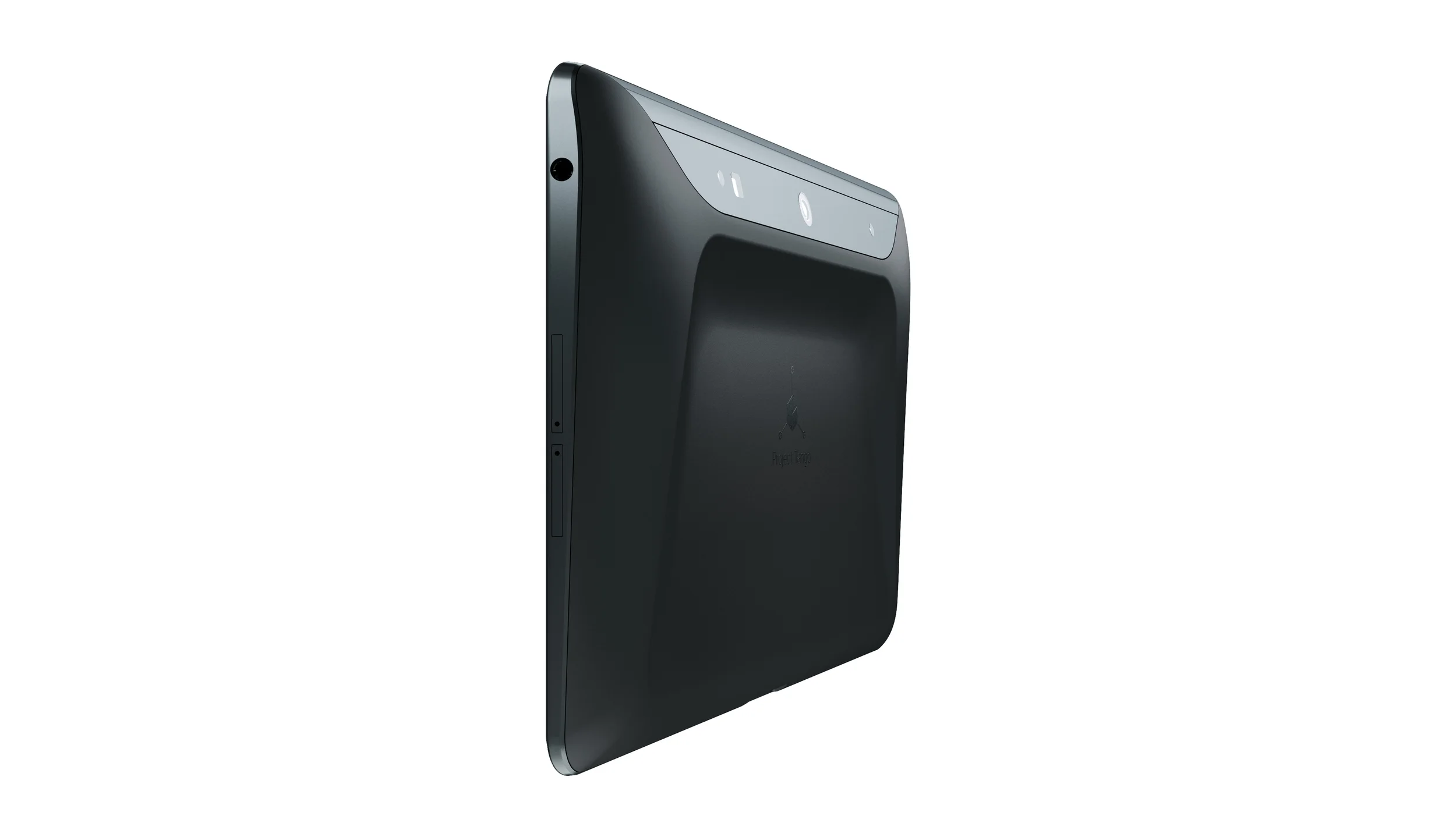
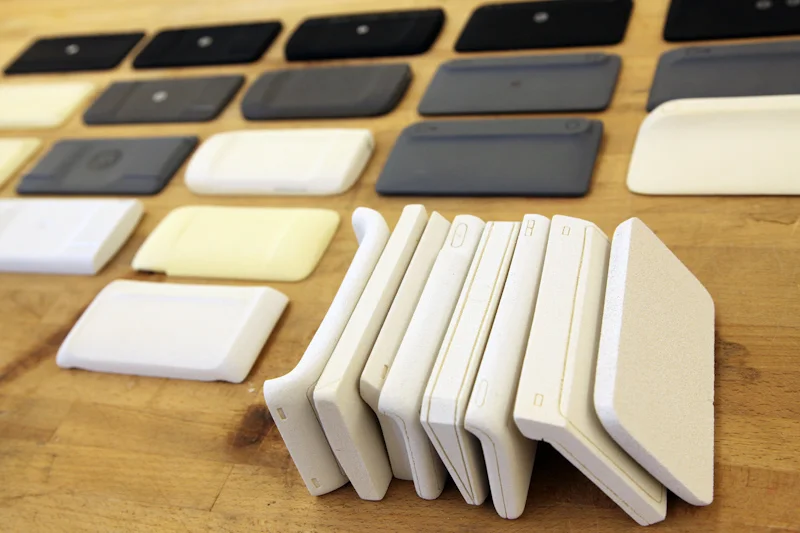
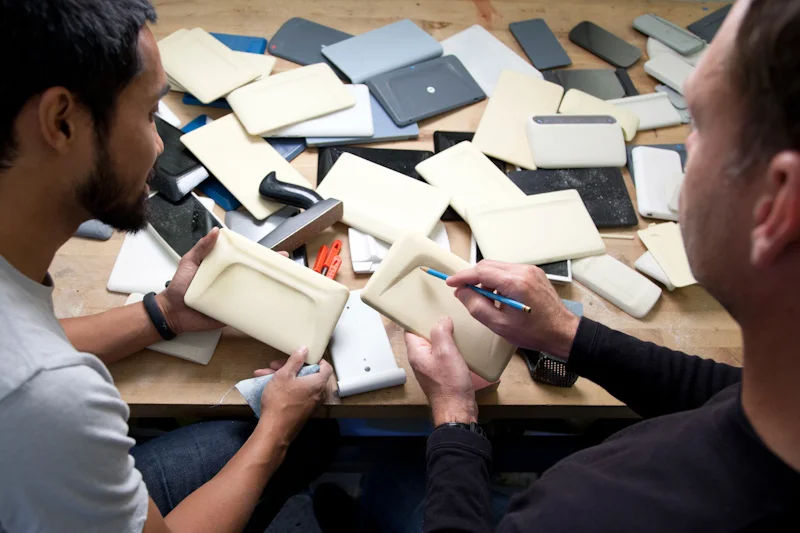
The industrial design was shaped by the technology it carried. A sculpted upper housing cradled the sensor array, giving the device a quiet sense of intent while gently guiding the user's hands away from the cameras during use. The form was familiar enough to feel like a consumer tablet, yet distinct enough to signal that something new was happening inside.
Released as a developer kit, Tango invited a global community of designers and engineers to imagine what 3D-aware software could become. Its ideas would later flow into Google's ARCore, helping seed the spatial computing technologies that shape augmented reality today.
Role: Industrial Design, User Experience (UX), Interaction Design (IxD)
Google ATAP
2014
Project Tango was Google ATAP's pioneering attempt to give mobile devices a human-scale understanding of space and motion, extending the digital world beyond the boundaries of the screen and into the physical environment around it. Through a carefully orchestrated array of sensors, Tango could perceive depth, shape, and form much like human stereo vision, building a real-time three-dimensional map of the world as the user moved through it.
The industrial design was shaped by the technology it carried. A sculpted upper housing cradled the sensor array, giving the device a quiet sense of intent while gently guiding the user's hands away from the cameras during use. The form was familiar enough to feel like a consumer tablet, yet distinct enough to signal that something new was happening inside.
Released as a developer kit, Tango invited a global community of designers and engineers to imagine what 3D-aware software could become. Its ideas would later flow into Google's ARCore, helping seed the spatial computing technologies that shape augmented reality today.
Role: Industrial Design, User Experience (UX), Interaction Design (IxD)
Google ATAP
2014